What the Librarians Found: Field Notes From This Year's Banned-Book Archive Pilots
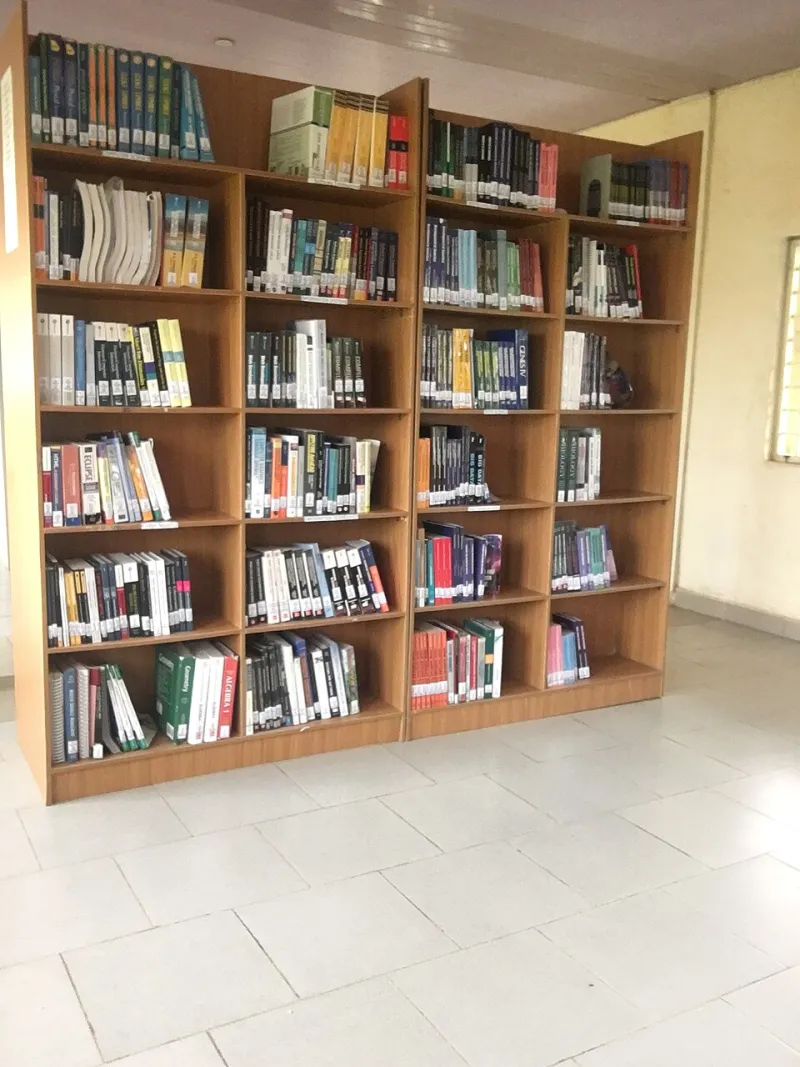
Photo: Aneesayagi, CC BY-SA 4.0, via Wikimedia Commons
The meeting room had the usual library furniture: a whiteboard, a cart of laptops, a coffee urn that had seen better decades. Twelve people — two librarians, a systems administrator, a school district counsel on speakerphone, and a handful of local authors — were arguing about filename conventions.
That's what the work actually looks like. Not a dramatic rescue of forbidden literature, but a ninety-minute debate about whether a book's record should include the ISBN as a searchable field, and who's allowed to correct a typo in a metadata entry three years from now.
Across the country this year, a modest number of library systems, school districts, and author collectives have been running pilots that put challenged or removed titles into decentralized storage. Most are small. Few have public budgets. Almost none want to be on television. But the questions they're working through are the same ones any writer will face the moment they decide the blockchain is a sensible place for their backlist.
The setup most pilots start with
The pattern is fairly consistent. A curator — a librarian, an archivist, a volunteer with a scanner — takes a title that has been challenged, restricted, or pulled from a shelf, or that simply sits in a format nobody can preserve. They record it in a structured format, write it to a content-addressed store, and publish a pointer that makes it findable. Sometimes there's a token involved. Often there isn't.
The appeal isn't secrecy. Nobody thinks a public network is a hidden shelf. The appeal is durability: a record that doesn't vanish when a vendor goes under, a budget line gets cut, or a committee decides the item isn't worth renewing a license for. Librarians have spent two decades watching digital collections evaporate when platforms folded. That's the problem they're trying to solve, and it's a much better headline than the one the internet prefers.
Metadata is where these projects live or die
Here's the part that surprises people outside the field. Getting a PDF onto decentralized storage is almost trivial. Making it findable, citable, and legally clean is not.
A useful archive needs title, author, edition, publisher, publication date, rights status, and a stable identifier that catalog systems can ingest. Libraries run on structured records — MARC, Dublin Core, schema.org markup — and a raw file with a hash name is functionally invisible to those systems. One pilot team spent roughly a third of its time building a mapping between their storage manifest and the catalog format their consortium already uses. Until that mapping existed, the archive existed too — it just couldn't be found by anyone who wasn't already holding the link.
Writers should take the note. If you're publishing to a decentralized network and you skip structured metadata, you're building a shelf nobody can browse.
The wallet problem nobody budgeted for
Then there's access. A patron at a public library should not need to install a browser extension and safeguard a seed phrase to read a challenged book.
The pilots have handled this in a few ways: institutional wallets held by the library, read-only gateways that render content in an ordinary web page, and printed QR codes that resolve through a library-hosted proxy. Each approach trades away some of the censorship-resistance story in exchange for usability, and the teams involved are refreshingly honest about that trade.
"If only forty people in the county can open it, we haven't preserved anything," one systems administrator told the room. That line has stayed with me.
Legal exposure is real and mostly unglamorous
Counsel on the phone had a list of concerns, and most of them weren't about blockchain at all.
Putting a book on a public network does not change copyright status. It does not create a license. It does not shield a library from a state law restricting access to certain materials, and it does not obviously help if a district adopts a policy requiring removal. In practical terms, a decentralized copy is a copy, and copies are governed by the same rules as ever.
The working posture in these pilots is narrow and deliberate: public domain works, titles with explicit permission from the rights holder, and materials the institution already owns in a licensed format. Several teams specifically write retention and takedown procedures before they write a single record — which sounds like the opposite of censorship resistance, and is, in fact, the thing that lets the project survive its first legal letter.
What writers should take from all this
Three practical lessons, none of them headline material.
First, provenance and permanence are separate products. A timestamp proves you published something. It doesn't keep it reachable. Budget for the second part.
Second, the boring infrastructure is the product. Metadata, gateways, and access design determine whether an archive gets used. Chain choice barely registers.
Third, talk to a lawyer before you get romantic about this. The librarians did. It's why their pilots are still running in November while a lot of louder projects are not.
The coffee urn, for the record, is still there. So are the books.